
Views: 0 Author: Site Editor Publish Time: 2026-03-23 Origin: Site
Fitness equipment is an essential part of keeping your neighborhood active and healthy, but without proper care, it can quickly wear down or harbor germs. Regular maintenance and cleaning not only extend the life of your machines but also keep every workout safe and comfortable for residents. In this guide, we’ll walk you through simple daily routines, weekly deep cleaning tips, and smart DIY maintenance strategies, helping you enjoy durable, hygienic, and well-functioning outdoor fitness equipment every day.
Shared equipment can quickly become a hotspot for germs, bacteria, and mold. Sweat, dust, and accidental spills mix to create odors and potential health risks. By cleaning handles, grips, mats, and upholstery regularly, you reduce these risks. It keeps users feeling safe and comfortable during every workout. After every use, make it a habit to wipe down your equipment thoroughly. Always use microfiber or soft cotton cloths to avoid scratching surfaces. For cleaning, a mild soap or an eco-friendly disinfectant works best, keeping your machines hygienic and safe for the next user.
They say prevention is better than repair. Proper upkeep reduces corrosion on metals, wear on moving parts, and electronic malfunctions. It prevents rust on dumbbells, keeps upholstery from cracking, and ensures cardio consoles run smoothly.
| Type of Equipment | Common Wear Issue | Recommended Care |
|---|---|---|
| Cardio Machines | Console errors, belt wear | Dust compartments, wipe handles, avoid pooling water |
| Upholstered Benches | Cracks, sweat stains | Clean with mild soap, condition vinyl/leather |
It feels better to work out when grips aren’t slippery and pads aren’t torn. Smooth, well-maintained equipment reduces the risk of accidents. Users notice small details like squeaky pulleys or loose bolts, so it’s worth checking every machine regularly.
Inspect moving parts weekly.
Test grips for stickiness.
Adjust bolts and screws as needed.
Many warranties require proper maintenance. Neglecting cleaning or lubrication can void coverage, leaving you responsible for expensive repairs. Keeping logs of maintenance and cleaning ensures you meet warranty requirements and protect your investment.

Having the right tools makes fitness equipment cleaning simple and effective. Using improper items can damage surfaces or reduce efficiency. Here’s what you need to keep everything in top shape.
Every day, a few basic items keep equipment fresh and ready for workouts:
Microfiber cloths – Trap sweat, dust, oils without scratching metal or screens.
Cotton cloths – Soft, gentle, perfect for vinyl or upholstery.
Pre-moistened gym wipes – Quick cleaning between sessions.
Spray bottles – Always spray cloth, not equipment, to avoid pooling.
Pro Tip: Keep separate cloths for consoles, grips, and metal parts to prevent cross-contamination.
Proper disinfectants help kill germs while protecting your equipment:
| Cleaner Type | Best Use | Notes |
|---|---|---|
| Mild soap & warm water | Frames, pedals, upholstery | Safe, prevents corrosion, easy to rinse |
| Eco-friendly cleaners | General cleaning | Biodegradable, low residue, safe for hands |
| Alpha HP / Simple Green | High-touch surfaces | Non-ammonia, non-alcohol, effective on bacteria & viruses |
| 70% isopropyl alcohol | Consoles, touchscreens | Quick disinfecting, use lightly dampened cloth |
Some equipment needs extra care to last longer:
Soft brushes – Lift dirt from textured grips or pulleys.
Vacuum with crevice attachment – Dust under machines, around belts, intake vents.
Leather conditioner – Maintain punching bags or leather mats, prevent cracking.
Vinyl-safe cleaner – Pads, benches, and upholstery stay flexible and stain-free.
Quick Tip: Schedule specialty cleaning monthly to prevent buildup and extend lifespan.
Keeping your neighborhood fitness equipment clean is simple but important. Regular cleaning protects users, prevents equipment damage, and extends the life of the machines. Even simple habits make a big difference for safety and hygiene.
Wipe cloth, not equipment – Spray cleaner on the cloth first to avoid pooling on metal surfaces.
Avoid paper towels & harsh chemicals – They can scratch metal, paint, and grips.
Dry surfaces completely – Moisture can cause rust, slippery handles, and mold on grips.
Outdoor-friendly cleaning – Mild soap, water, or eco-friendly disinfectant works best.
| Cleaning Type | Focus Areas | Frequency | Notes |
|---|---|---|---|
| Daily | Handles, grips, seats | After each use | Quick wipe-down, light disinfecting |
| Weekly | Frames, moving joints, base | Once a week | Remove dirt, wipe thoroughly, check for wear/rust |
Use microfiber or soft cotton cloths for all wiping.
Keep a small spray bottle with mild soap or eco-friendly cleaner nearby.
Wipe in the direction of the metal or plastic surface to avoid streaks.
Check for loose bolts, rust spots, or peeling paint regularly.
Encourage neighbors or users to wipe down handles after use to maintain hygiene.
A simple routine keeps outdoor or shared fitness equipment safe and durable. Consistent maintenance prevents rust, damage, and slippery surfaces.
Wipe all handles, grips, and seats after each use.
Inspect equipment for loose bolts, rust, or peeling paint.
Encourage users to clean after themselves—it prevents germs and dirt buildup.
| Task | Frequency | Notes |
|---|---|---|
| Wipe grips & seats | Every use | Use mild soap or eco-friendly cleaner |
| Inspect bolts | Daily | Tighten any loose bolts or nuts |
| Rust check | Daily | Note early rust spots for weekly treatment |
| User reminders | Daily | Encourage wiping with a small notice or sign |
Wipe down all frames and moving joints thoroughly.
Remove dirt or debris from bases and footings.
Apply light lubrication to pivot points if needed to prevent squeaks and stiffness.
Check for rust or paint chips and treat them promptly.
| Task | Frequency | Notes |
|---|---|---|
| Frames & joints | Weekly | Clean thoroughly, dry completely |
| Footings & bases | Weekly | Remove dirt, leaves, or mud |
| Lubricate pivots | Weekly | Use light oil if manufacturer recommends |
| Rust & paint touch-up | Weekly | Apply protective coating to prevent corrosion |
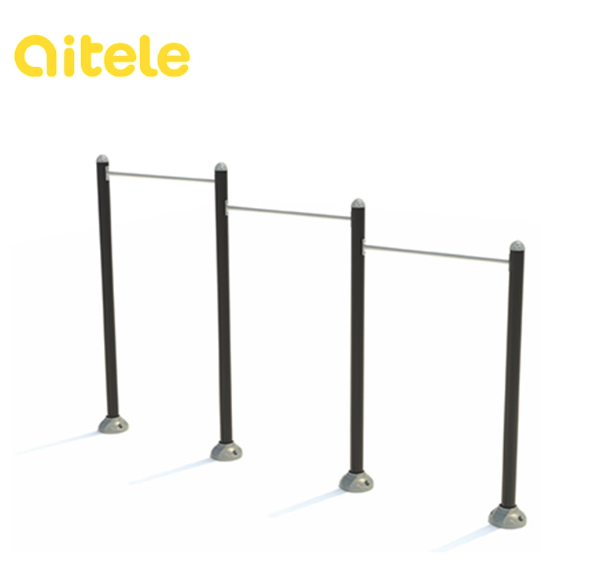
Maintaining neighborhood fitness equipment requires a balance between simple DIY care and occasional professional checkups. Understanding what residents can do versus what needs expert attention helps prevent gym equipment damage and ensures safe, reliable use for everyone.
Residents can manage most daily tasks to support fitness equipment upkeep. Wiping down handles, seats, and grips after every use with microfiber cloths and mild soap or eco-friendly disinfectants keeps surfaces clean and reduces germs. Weekly inspections of bolts, screws, and pivot points help maintain smooth operation, while checking for rust spots or peeling paint prevents long-term deterioration.
Clearing debris like leaves, mud, or small stones around the equipment also protects surfaces and reduces slips. These steps form the foundation of daily gym maintenance and keep machines functional without specialized tools.
Some tasks require professional skills or equipment. Professionals can lubricate heavy joints and pivot points to prevent squeaks and stiffness, repair structural damage such as bent frames or broken chains, and treat advanced rust or corrosion on metal parts to extend lifespan. Replacing worn grips or upholstery ensures user safety and comfort.
Combining DIY maintenance with periodic professional checkups ensures outdoor fitness equipment stays reliable, safe, and long-lasting while supporting overall fitness equipment upkeep and reducing the risk of accidents caused by neglected or damaged machines.
Keeping your neighborhood fitness equipment in top shape doesn’t have to be complicated. By establishing easy daily habits like wiping grips and seats, checking bolts, and addressing early rust, you can prevent damage and maintain a safe, enjoyable exercise space.
For more advanced care, professional checkups complement DIY routines, ensuring moving parts stay smooth and structures remain sturdy. QITELE Group Co., Ltd. provides durable, user-friendly fitness equipment designed for easy upkeep, helping residents enjoy long-lasting, reliable outdoor workouts.
A: Wipe down handles, seats, and grips after every use, and perform a thorough cleaning of frames and joints once a week.
A: Use microfiber or soft cotton cloths with mild soap, water, or eco-friendly disinfectants; avoid harsh chemicals and paper towels.
A: Dry surfaces completely after cleaning and treat early rust spots with protective coatings or paint touch-ups.
A: Lightly lubricate pivot points, hinges, and moving joints weekly to prevent squeaks and ensure smooth operation.
A: Yes, but inspect grips, bolts, and surfaces regularly to ensure handles aren’t slippery and all parts are secure.


