
Views: 0 Author: Site Editor Publish Time: 2026-01-12 Origin: Site
Are you ready to transform your space into a fun and safe environment for kids? Indoor playgrounds are not only great for entertainment but also essential for children’s development. However, the cost of indoor playground equipment can be tricky to navigate. In this article, we’ll break down key cost factors, budgeting tips, and how to choose the right equipment for your needs.
Indoor playground equipment refers to a variety of play structures designed to engage children in safe, fun, and developmental activities. These structures come in many forms, from simple slides and swings to complex play systems featuring climbing walls, ball pits, and interactive panels.
Indoor playground equipment is typically found in commercial spaces like daycare centers, schools, entertainment venues, and even in private homes with enough space. Here are some common types of indoor playground equipment:
● Soft Play Structures: Cushioned, flexible play elements like tunnels, foam shapes, and padded slides, ideal for younger children.
● Climbing Walls: Vertical or angled structures for children to climb, helping to develop strength, coordination, and confidence.
● Interactive Panels: These educational panels can include activities like puzzles, games, and interactive learning tools designed to engage children mentally.
The choice of indoor playground equipment should not only consider the entertainment value but also the safety, developmental benefits, and engagement it offers. Here are the key reasons why it’s important to choose the right equipment:
● Safety: Always prioritize equipment that meets established safety standards. Poorly designed equipment can lead to injuries.
● Developmental Benefits: Certain play elements such as climbing walls and interactive panels help children improve their physical strength, cognitive skills, and social abilities.
● Entertainment: The best indoor playground equipment will keep children entertained for hours, which is crucial for businesses or homes aiming to provide a lasting play experience.
Indoor playgrounds are designed with multiple features to encourage different types of play. Some of the most common features include:
● Slides: These are a staple in almost every indoor playground. They help kids practice balance, coordination, and agility.
● Climbing Walls: Ideal for improving upper body strength and coordination.
● Swings: Many playgrounds offer swings as part of the play structure to improve balance and spatial awareness.
● Interactive Panels: These may include educational activities such as puzzles, tactile activities, or light-up elements that engage children mentally and physically.
The first factor affecting the cost of indoor playground equipment is the type and complexity of the play structures you choose. The more complex the design and features, the higher the price.
● Basic Slides and Swings: These are often the most affordable and can cost anywhere between $500 to $3,000 depending on the design.
● Modular Play Structures: These can include multiple elements like slides, climbing walls, and ball pits. Prices for modular systems can range from $3,000 to $20,000 or more, depending on the features and size.
● Interactive Play Areas: High-tech features like interactive panels or touch-sensitive games tend to drive up the price of playgrounds. These can cost from $5,000 to $15,000, depending on customization.
The materials used in manufacturing indoor playground equipment play a significant role in determining the price. Common materials used include:
● Plastic: Generally less expensive, but may not be as durable or long-lasting.
● Metal: More durable and long-lasting, but tends to cost more due to the materials' strength.
● Wood: Offers a more aesthetically pleasing option but can be expensive, particularly for custom designs.
Choosing higher-quality materials can increase the initial investment, but the durability often results in fewer repairs and replacements, making it a cost-effective choice in the long term.
Custom playground designs allow you to create a unique space that meets your specific needs. However, customization comes at a premium. Pre-designed structures, on the other hand, are more affordable but offer less flexibility in terms of design and function.
● Custom Designs: Custom-made playground equipment can be 30-40% more expensive than pre-designed options. However, it gives you the flexibility to tailor the equipment to your space and theme.
● Pre-designed Play Systems: These tend to be more budget-friendly but may not offer the same level of personalization.
One factor that buyers often overlook is the cost of installation. While some equipment comes pre-assembled, larger or more complex systems often require professional installation, which can cost anywhere between $500 to $2,000 depending on the size and complexity.
In addition to installation, ongoing maintenance is essential to ensure the safety and durability of the equipment. Maintenance can include:
● Regular cleaning to ensure hygiene.
● Repairs due to wear and tear.
● Upgrades to replace outdated or worn-out components.
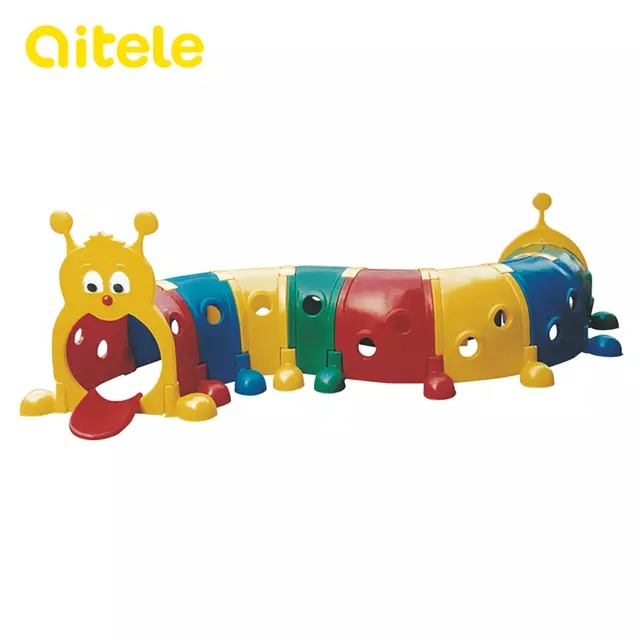
Indoor playground equipment costs vary based on the type, complexity, and features included. Here's a more detailed cost breakdown for common equipment:
Equipment Type | Price Range | Example Features |
Basic Slides | $500–$3,000 | Simple plastic slides for kids of all ages |
Climbing Walls | $2,000–$10,000 | Vertical walls for physical challenge and development |
Modular Play Systems | $2,500–$15,000 | Multi-component systems with slides, climbing walls, etc. |
Interactive Panels | $500–$3,000 | Educational panels for cognitive development |
Swing Sets | $1,000–$5,000 | Standard or themed swings for indoor playgrounds |
It’s important to break down costs further to understand what to expect:
Equipment Type | Base Price | Installation Costs | Additional Features & Accessories | Total Estimated Cost |
Basic Slide | $500–$2,000 | $100–$500 | Protective mats, safety rails | $600–$2,500 |
Climbing Wall | $2,000–$8,000 | $500–$1,500 | Padding, custom grips | $2,500–$9,500 |
Modular Playground | $3,000–$15,000 | $1,000–$2,000 | Custom slides, climbing areas | $4,000–$17,000 |
It’s crucial to plan for additional hidden costs:
● Shipping: The delivery cost for large equipment can range from $100 to $1,000, depending on the distance.
● Safety Padding: Installing safety mats or soft floors can cost between $1,000 and $3,000.
● Upgrades: You may need to purchase extra accessories like padding, safety nets, or signage.
Before purchasing indoor playground equipment, assess your space and determine a realistic budget based on the size and features you need. Think about how many children will be using the equipment at one time and the available space for installation.
A small home or daycare might only require basic slides and swings, whereas an entertainment venue or commercial space may need larger, more complex systems. Be sure to include costs for installation, shipping, and maintenance when determining your total budget.
Many suppliers offer financing options, allowing businesses to spread out the cost of playground equipment over time. You may also find discounts during off-peak seasons or promotional sales, which could save you a significant amount on your purchase.
Remember that indoor playground equipment is a long-term investment. Higher initial costs may be justified by the durability and safety of the equipment. Don’t forget to factor in long-term expenses for maintenance and repairs.
If you're working with a limited budget, consider opting for modular play systems instead of custom-designed equipment. Modular systems are more affordable and can be expanded as your budget allows. They also provide flexibility in terms of customization, even though they're not as fully personalized as custom designs.
Many suppliers offer discounts if you purchase multiple pieces of equipment at once. Buying equipment in bulk or as part of a package deal allows you to save money, especially for larger commercial setups.
Watch for seasonal sales or end-of-year promotions. Many suppliers offer significant discounts during these periods, and you can often get higher-quality equipment at a much lower price.
When comparing suppliers, always check:
● Total costs, including installation, shipping, and maintenance fees.
● Reputation: Choose suppliers with good customer reviews and proven experience in delivering quality products.
● Warranty: Ensure the supplier offers a warranty for both the equipment and installation services.
It’s important to choose a supplier with a strong reputation for delivering quality equipment and providing excellent customer service. Look for suppliers who offer product warranties, customer support, and clear return policies.
A good warranty can save you money in the long term by covering repairs or replacements. Make sure the equipment you purchase comes with a comprehensive warranty that covers defects and damage over time.
Safety should be your top priority when selecting indoor playground equipment. Ensure that the equipment meets established safety standards such as ASTM (American Society for Testing and Materials) and CPSIA (Consumer Product Safety Improvement Act).
Request certification from your supplier that verifies the equipment meets necessary safety standards. Many reputable suppliers will provide third-party test results that confirm the safety and durability of the equipment.
Investing in indoor playground equipment can be an exciting venture, but it's important to understand the costs involved. By considering factors like equipment type, material quality, and long-term maintenance, you can make an informed decision that aligns with both your budget and safety standards. Don’t forget to compare suppliers, look for financing options, and ensure you’re selecting equipment that meets safety standards.
At QITELE Group Co., Ltd, a creative and professional manufacturer of playground equipment, we have been dedicated to providing high-quality play solutions since our establishment in 1992. With 6 subsidiaries and more than 120 domestic sales centers and special sales agencies, QITELE has expanded globally, setting up branch offices in the USA and European countries. Additionally, QITELE employs foreign professionals to manage offices and sell products, ensuring our customers receive top-notch service and equipment.
In the end, while the initial investment may be significant, choosing the right equipment from a reputable company like QITELE and maintaining it properly will provide years of enjoyment for children, making it a valuable investment for years to come.
A: Indoor playground equipment refers to structures and play elements designed for children’s recreation and development within indoor spaces. These can include slides, climbing walls, interactive panels, swings, and soft play areas.
A: Indoor playground equipment is essential for promoting physical activity, cognitive development, and social interaction among children. It helps children improve motor skills, balance, and creativity in a safe environment.
A: When choosing indoor playground equipment, consider factors such as age appropriateness, safety standards, durability, and the available space. Modular systems are a flexible option, while custom designs provide unique features.
A: Modular indoor playground equipment offers flexibility in design and can be expanded over time. It’s cost-effective and allows you to customize your play area based on the evolving needs of your space.
A: Yes, indoor playground equipment requires regular maintenance for safety and longevity. Maintenance costs may include repairs, cleaning, and periodic inspections, which should be factored into your overall budget.


