
Views: 0 Author: Site Editor Publish Time: 2026-03-23 Origin: Site
Fitness equipment plays a key role in creating vibrant, healthy communities, and choosing the right public fitness equipment can transform any park or green space. From cardio machines to strength and flexibility stations, outdoor gyms provide accessible, low-cost ways for people of all ages to stay active. In this guide, we’ll walk you through everything you need to consider when buying public fitness equipment, including durability, accessibility, layout, and maintenance, so your community enjoys a safe, inclusive, and engaging fitness environment.
Public fitness equipment does more than decorate a park. It offers real benefits for people and the community around them. Let’s break down why adding these outdoor gyms is such a smart move.
They make staying active easy. People of all ages can boost cardiovascular health, strength, flexibility, and mobility. Outdoor exercise adds extra perks: sun exposure increases Vitamin D, helping bones and immunity. Time spent outside can also sharpen mental focus and reduce stress.
Cardio & endurance: Bikes, ellipticals, and walkers keep hearts strong.
Strength & flexibility: Pull-up bars, step platforms, and stretch stations build muscle and range of motion.
Low-impact options: Ideal for seniors or beginners, equipment like air walkers protects joints.
They turn parks into gathering places. Outdoor gyms encourage social interaction and group workouts, which strengthen community ties. People meet neighbors, join fitness groups, and spend more time outdoors.
Encourages group exercise for friends, family, and neighbors.
Boosts park usage, activating spaces that may have been quiet.
Builds a sense of ownership and pride in shared public spaces.
Tip: Placing equipment near walking trails or playgrounds increases casual social engagement.
Public fitness equipment is free. It removes cost barriers that private gyms create and gives everyone a chance to stay healthy. It also supports long-term public health goals, potentially lowering medical costs over time.
| Benefit | How It Helps the Community |
|---|---|
| Free access | Anyone can exercise, including low-income residents |
| Reduces gym fees | Cuts barriers to regular fitness habits |
| Supports health programs | Encourages preventive health initiatives |
| Cost-effective | Minimal maintenance, no electricity, long lifespan |
They also reinforce the value of public spaces. When people see active, well-used parks, support for community projects, grants, and local funding grows. It’s not just a workout zone—it’s an investment that keeps giving.
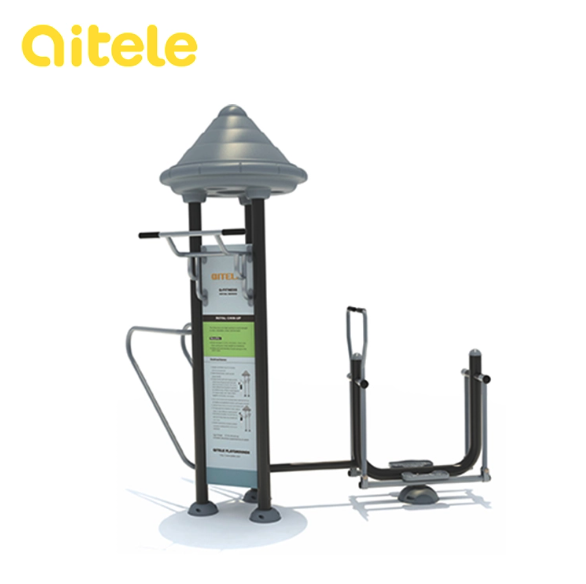
Investing in public fitness equipment is more than buying a few machines. It’s about designing a space that serves your community for years. The right planning ensures safety, accessibility, and long-term value. Here’s what to keep in mind.
Before you pick equipment, understand who will actually use it. Teens, adults, seniors, and people with disabilities all have different fitness needs. Think about the level of physical activity your users require. Do they want light cardio, strength training, or flexibility exercises? Gathering community input is key. Surveys, suggestion boxes, or informal conversations provide insights you might not expect. You may discover hidden needs, like mobility-friendly stations for seniors or low-impact cardio for beginners. Including users early also increases participation and satisfaction once the gym is installed.
Clear goals help guide every decision. Are you creating a general wellness space for the whole community? Or targeting specific programs like rehabilitation, school PE, or senior fitness? Decide how your space will function. Should it be entirely self-guided, have instructor-led sessions, or a mix? This affects the type of equipment, signage, and layout.
Set measurable success metrics early. Track usage numbers, survey satisfaction, or even health outcomes if possible. This not only demonstrates value to stakeholders but also helps refine programs over time.
| Goal | Recommended Equipment | Metrics to Track |
|---|---|---|
| Senior mobility | Low-impact cardio, stretching stations | Attendance, feedback surveys |
| Youth fitness | Strength & cardio circuits | PE program integration, participation |
| Community wellness | Mixed-use stations | Daily users, repeat visits |
The physical location drives what works and how people interact with equipment. Consider space, layout, and natural features. Open, level areas with good visibility are ideal, but even irregular spaces can work with careful planning. Accessibility matters. Ensure pathways, entrances, and surfacing are safe for all users. Ground conditions—slopes, drainage, underground utilities—can affect installation costs and safety. Surfacing options are also critical. Rubber mats, poured-in-place surfaces, artificial turf, or compacted gravel all have pros and cons for durability, comfort, and maintenance.
Tip: Map circulation paths before deciding equipment placement to avoid congestion or unsafe overlaps.
The initial purchase is only part of the cost. Installation, site prep, surfacing, shipping, and permits all add up quickly. You also need to plan for maintenance, replacements, and repairs over 10–15 years. Funding can come from multiple sources. Grants, local sponsorships, and community fundraising can offset costs, but your plan should show total lifecycle investment.
Safety is non-negotiable. Equipment must comply with ASTM, ISO, or local safety regulations. Impact-absorbing surfaces reduce injury risk, and clear instructional signage helps users understand proper techniques. Equipment should minimize tipping hazards and collisions, especially in high-traffic areas.
Tip: Even low-impact stations need space for safe fall zones and circulation.
Outdoor fitness equipment faces constant exposure to the elements: sun, rain, wind, and even snow. Over time, this wear can cause rust, fading, or mechanical failure if the equipment isn’t built to last. That’s why selecting high-quality materials is critical. Look for powder-coated steel, stainless steel, and UV-resistant plastics. These materials resist corrosion, fading, and cracking, keeping the gym functional year after year. Vandal-resistant designs and tamper-proof hardware also reduce maintenance headaches. Small features, like covered bolts or reinforced joints, prevent accidental damage or misuse. Simple mechanical systems are preferable—they’re easier to repair and less likely to break under frequent use.
Regular inspections and maintenance routines extend equipment life and ensure user safety. Check bolts, moving parts, and surfacing periodically, and keep a log for accountability. Even light upkeep now prevents costly repairs or downtime later.
Check for rust, loose bolts, and wobbling
Inspect moving parts for friction or wear
Clean surfaces to remove dirt, sand, and debris
Ensure surfacing remains even and impact-absorbing
A public fitness area should feel welcoming for everyone, not just experienced gym-goers. ADA-compliant equipment is key, offering transfer platforms, ergonomic grips, and clear visual instructions. This ensures that users with mobility challenges or disabilities can participate comfortably and safely. Inclusivity isn’t only about accessibility—it’s also about variety. Include equipment suitable for beginners, teens, adults, and seniors. Consider multi-user access, where stations allow more than one person to exercise at a time or offer adjustable resistance. For example, wheelchair-accessible multi-gyms or low-impact cardio machines let more people join in without frustration or exclusion.
Community testing during planning is valuable. Invite seniors, teens, and differently-abled members to try prototypes or view layouts. Their feedback helps refine spacing, height, and accessibility features, making the gym genuinely inclusive.
Variety in your fitness area keeps users engaged, encourages repeat visits, and supports diverse fitness goals. Include a balanced mix of cardio, strength, flexibility, and balance stations to address different aspects of health. Users can move between stations, creating full-body workouts without leaving the park. Combination or circuit units are especially effective in smaller spaces. They allow multiple exercises in one footprint, saving room while supporting structured programs or self-guided routines. For instance, a single unit might include pull-up bars, step platforms, and push stations, enabling a complete strength and cardio circuit.
Variety also encourages social interaction and group workouts. Some users prefer structured circuits, while others like free-form use. By offering both, you accommodate different fitness styles and levels. Balance-focused equipment, like beams or wobble boards, complements cardio and strength machines, creating a well-rounded environment.
Equipment should blend into the park rather than dominate it. Consider colors, design style, and how it integrates with existing landscaping, playgrounds, benches, and walking paths. The goal is a welcoming, approachable space, not a gym that intimidates beginners. Visual appeal increases usage and creates a positive impression for your community.
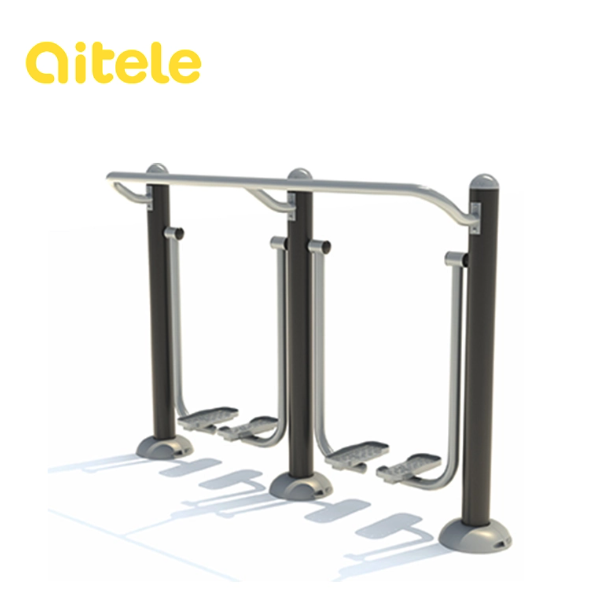
Proper layout and careful installation are critical for a successful public fitness area. They affect safety, usability, accessibility, and long-term enjoyment. Planning ahead reduces costly mistakes and ensures the space serves all users effectively.
The layout determines how people move through the space and interact with equipment. Consider your community’s size, goals, and user habits when choosing a design.
Centralized Fitness Zone
A dedicated pad or hub with multiple stations grouped together. It offers high visibility, encourages group workouts, and supports instructor-led programs. Perfect for parks or campuses with a defined area for activity.
Distributed Fitness Trail
Stations spaced along walking or jogging paths. Encourages movement throughout the park, reduces crowding, and engages users naturally. Ideal for large green spaces or trails.
Hybrid Approach
Combines a central hub with stations along nearby paths. Supports phased installation and balances accessibility with visibility. Offers flexibility for multi-phase projects or evolving community needs.
| Layout Type | Best Use | Pros | Cons |
|---|---|---|---|
| Centralized Zone | High-impact group workouts | Easy supervision, consolidated surfacing, strong community focal point | Can feel crowded, requires larger single area |
| Fitness Trail | Cardio + intermittent strength | Encourages movement, spreads users, uses existing paths | Harder supervision, higher installation complexity |
| Hybrid | Phased or multi-level project | Combines benefits, supports self-guided + group | More complex planning and maintenance |
A solid foundation is essential for safety and durability. Uneven or unstable ground can lead to accidents or premature wear.
Ensure surfaces are level and stable—concrete slabs, pavers, or compacted gravel work well.
Install safety surfacing like rubber mats, poured-in-place systems, or engineered turf to minimize injury risk.
Follow manufacturer spacing guidelines carefully. Maintain proper fall zones around equipment to prevent collisions or accidents.
Correct installation ensures equipment functions safely and lasts longer. While DIY installation is possible for some smaller items, professional installation is recommended for most public fitness areas.
Secure equipment with concrete anchors or other approved fasteners.
Level each piece precisely before finalizing installation. Even small tilts can affect usability and safety.
Conduct a final inspection of bolts, welds, and surfacing before opening the gym to the public.
Investing in public fitness equipment isn’t just about adding machines—it’s about creating spaces where your community thrives. Thoughtful planning ensures everyone, from seniors to teens, can enjoy workouts that boost health, confidence, and social connection.
QITELE Group Co., Ltd. offers high-quality solutions designed to meet these needs. By choosing the right mix of equipment and design, you can turn your park into a hub of wellness and engagement that keeps giving back for years.
A: Plan for enough room between stations to allow safe movement. Typically, 500–1,500 sq. ft. suits small to medium parks, with larger hubs needing more space.
A: High-quality, weather-resistant equipment usually lasts 10–15 years with proper care and routine inspections.
A: Look for transfer platforms, ergonomic grips, clear visual instructions, and multi-user access for mobility-impaired or differently-abled participants.
A: Inspect bolts, joints, and surfacing regularly. Clean debris, lubricate moving parts, and check for rust or UV damage.


